
Traveling With Multiple Kids With Different Needs
Traveling with multiple kids, each with their own personalities, preferences, comfort levels, and support needs doesn’t have to feel overwhelming. Whether you’re navigating sensory sensitivities, big emotions, picky eating, strong opinions, or simply the classic “one kid wants rides while the other wants snacks,” thoughtful planning makes it possible to create a vacation that feels enjoyable and inclusive for everyone.
Every Child Has a Travel Style (Not Just Those With Special Needs)
You don’t need a diagnosis for a child to have unique needs while traveling. Every kid has a travel style, shaped by:
Personality — introverted, adventurous, cautious, high‑energy
Sensory preferences — noise, crowds, textures, motion
Emotional needs — reassurance, independence, structure, downtime
Age differences — toddlers vs. teens vs. in‑between
Interests — thrill rides, characters, animals, water play, quiet spaces
Understanding these differences helps you plan a trip that supports each child without stretching yourself thin.
Build a Flexible Itinerary That Works for Everyone
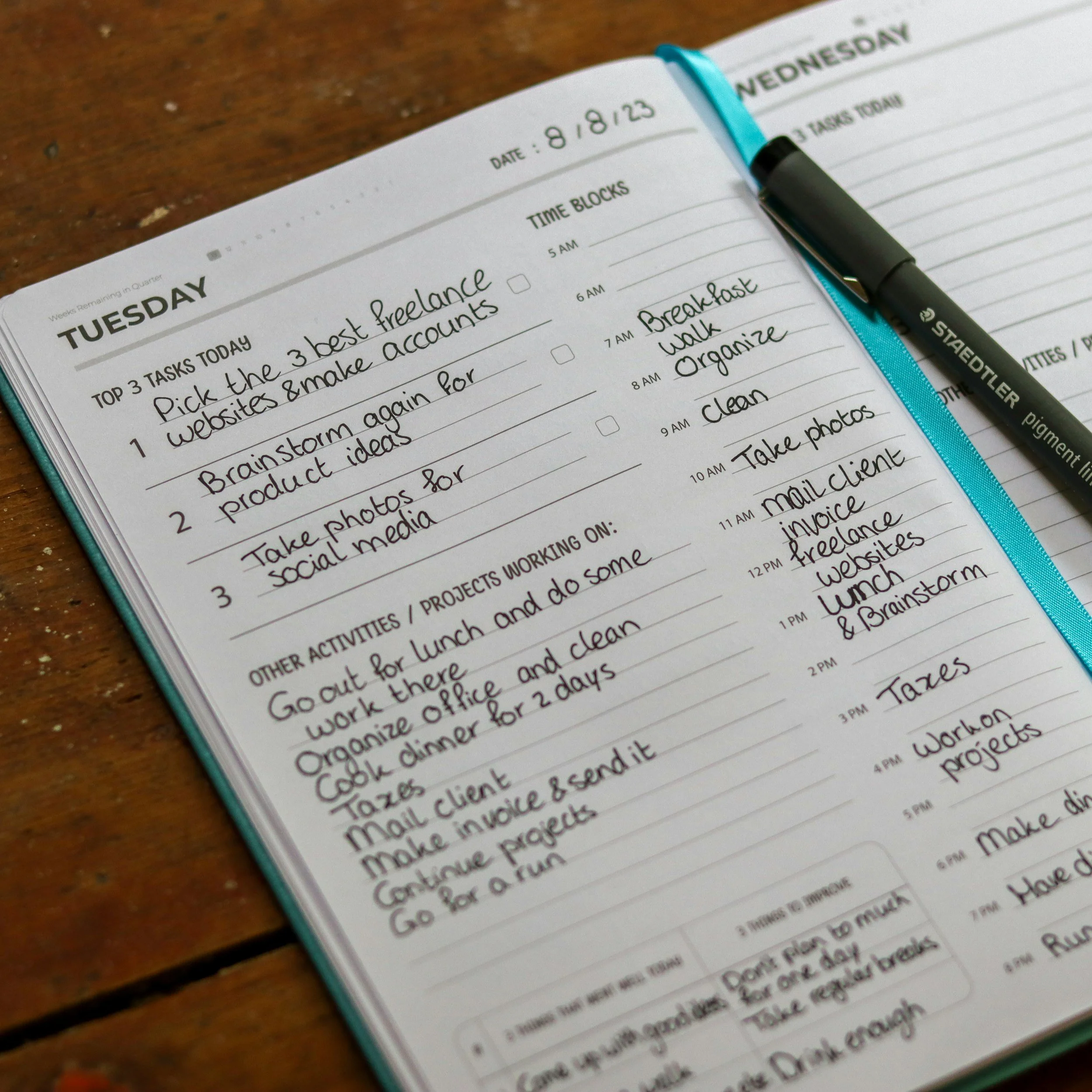
Rigid schedules often crumble when you’re traveling with multiple kids. A flexible structure keeps the day predictable enough for kids who need it and open enough for kids who thrive on spontaneity.
Choose 1–2 anchor activities per day
Add optional fillers you can skip guilt‑free
Plan natural breaks between high‑stimulus experiences
Use visual schedules for kids who like to see what’s next
Let older kids help choose activities to increase cooperation
Flexibility is the secret to keeping everyone regulated and happy.
Pick Destinations With Built‑In Variety
The best family destinations offer something for every personality:
Theme parks with rider switch, quiet areas, and diverse attractions
Beach resorts with calm zones, water play, and open space
Cruises with kids’ clubs, teen lounges, and accessible activities
National parks with trails, wildlife, and low‑stimulus environments
Variety ensures each child gets moments that feel tailored to them.
Sensory‑Friendly Tools Help All Kids (Not Just Neurodivergent Ones)
Even kids without sensory diagnoses can become overwhelmed by travel. These tools help everyone regulate:
Noise‑reducing headphones
Sunglasses or hats for bright environments
Fidgets or small comfort items
Familiar snacks
A “reset plan” when someone needs a break
These strategies prevent meltdowns, reduce overstimulation, and keep the day moving smoothly.
Food & Mealtime Strategies for Families With Multiple Kids and Multiple Needs
Food can make or break a family trip, even a hangry spouse. Especially when each child has different preferences, sensitivities, or routines. The goal isn’t to force everyone into the same eating style; it’s to create a plan that keeps everyone fed, comfortable, and meltdown‑free.
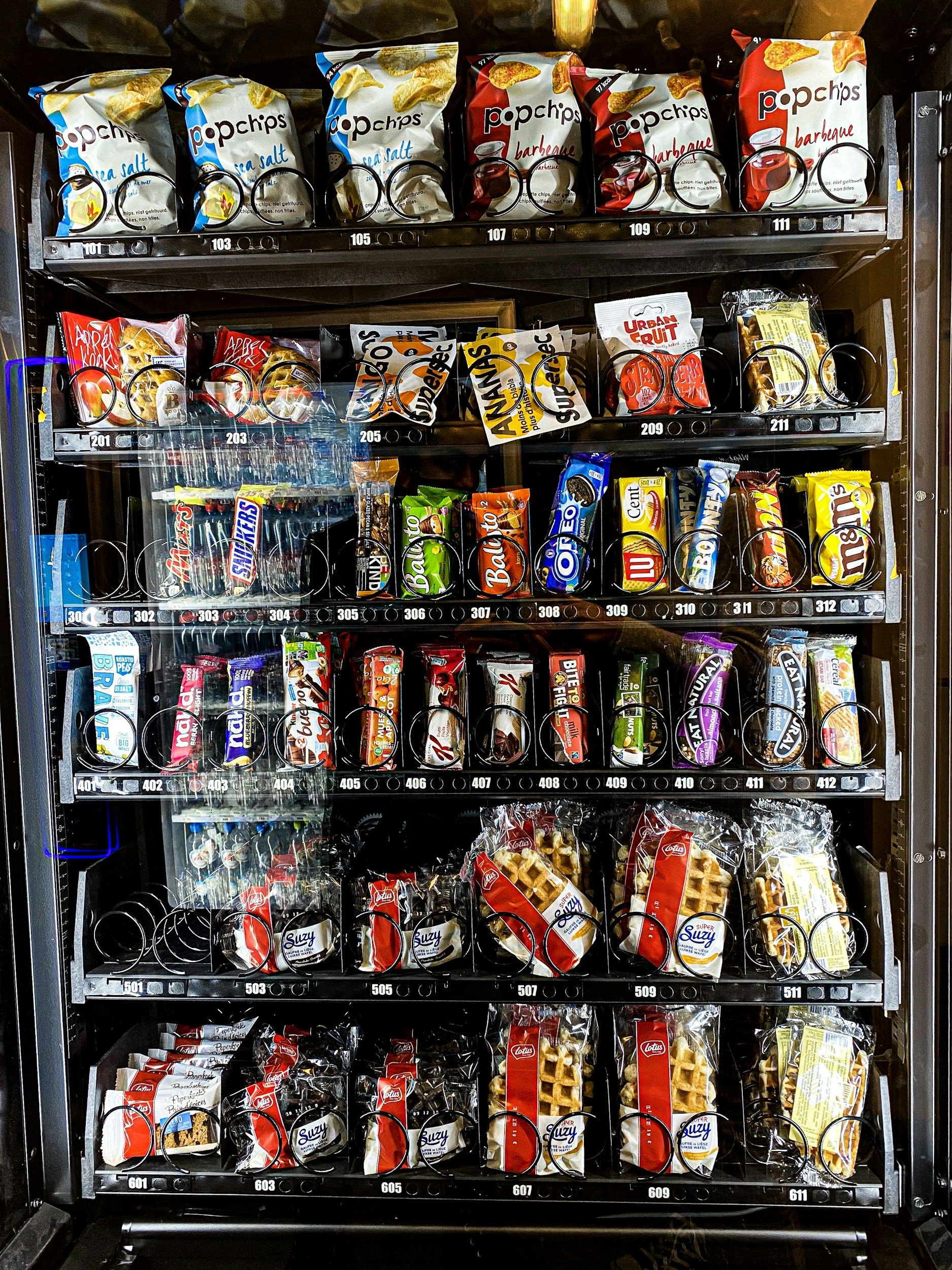
Pack a “Multi‑Kid Snack Kit”
A well‑stocked snack kit prevents 90% of travel meltdowns. Include:
Familiar snacks for sensory‑sensitive eaters
High‑protein options for kids who crash easily
Quick carbs for kids who need frequent refueling
A few “fun snacks” for morale boosts
Hydration options
Use small pouches or containers labeled by child or by category.
Plan for Texture & Temperature Needs
Many kids have strong preferences around:
Crunchy vs. soft
Warm vs. cold
Dry vs. saucy
Mixed foods vs. separated foods
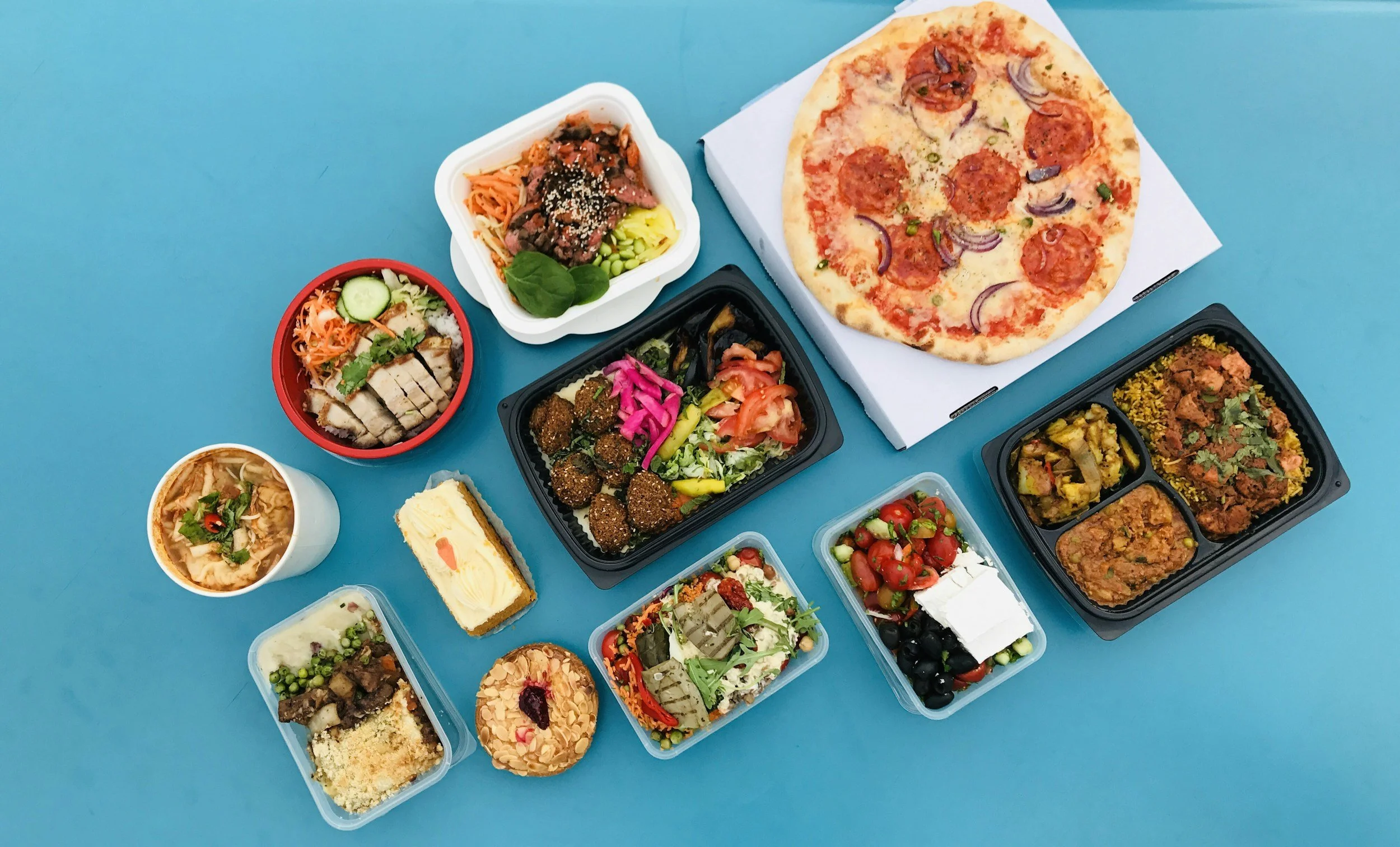
Choose restaurants or quick‑service spots that offer customizable meals. Buffets, food halls, and build‑your‑own options (tacos, bowls, pasta) are lifesavers.
Identify “Safe Foods” Before You Travel
Every child has a few foods they will always eat. Make a list of each child’s safe foods and look for restaurants that offer them.
Examples:
Chicken nuggets
Plain pasta
Fries
Fruit cups
Yogurt
Rice
Bread
Cheese sticks
This helps you quickly identify reliable meal options anywhere you go.
Use the “Two‑Meal Strategy”
When kids have wildly different food needs, order:
One meal that appeals to the picky/sensory‑sensitive child
One meal that appeals to the adventurous eater
Then let them share sides or swap components. It reduces waste and increases cooperation.
Schedule Meals Around Energy Levels
Kids with different needs often have different hunger patterns.
Toddlers may need small, frequent meals
Teens may need full meals every few hours
Sensory‑sensitive kids may only eat when calm
High‑energy kids may forget to eat until they crash
Plan meals around your most sensitive eater and snacks around your hungriest eater.
Bring “Meal Anchors” From Home
These are small items that help unfamiliar meals feel safe:
The preferred brand of crackers
A familiar seasoning
A favorite sauce
A specific cup or utensil
A small cooler with reliable snacks
Anchors reduce anxiety and increase willingness to try new foods.
Don’t Fight the Vacation Appetite Shift
Many kids eat differently on vacation:
Some eat more because they’re active
Some eat less because they’re overstimulated
Some graze instead of eating full meals
Some want comfort foods only
Normalize it. Vacation eating doesn’t have to look like home eating.
Divide and Conquer Without Feeling Split
When kids have different needs or interests, strategic dividing can save the day:
One adult takes the thrill‑seeker
One adult stays with the child who needs quiet time
Teens get structured independence
Younger kids get predictable routines
You’re still traveling together—you’re just supporting each child where they thrive.
Transitions: The Universal Challenge
Transitions are tough for all kids, not just neurodivergent ones. Make them smoother by:
Giving countdowns
Using visual timers
Offering choices
Narrating what’s happening next
Building buffer time
Predictability reduces resistance and helps kids feel more in control.
Pack for Personalities, Not Just Practicality
Your packing list becomes your lifeline. Include:
Comfort items for each child
Snacks for picky or sensory‑sensitive eaters
Entertainment for downtime
Extra clothes for kids who need frequent changes
Medications and backups
A “parent survival kit” (chargers, sunscreen, bandaids, wipes)
Prepared parents are calm parents—and calm parents make calm kids.
Advocate Confidently for Your Family
Whether you’re navigating airports, theme parks, or hotels, advocating for your family’s needs is not special treatment—it’s smart travel.
Ask for pre‑boarding
Request quiet seating
Use disability access programs when appropriate
Communicate needs to staff
Choose accommodations that support your routines
Confidence makes the experience smoother for everyone.
Celebrate the Wins (Big and Small)
Traveling with multiple kids with different needs is not about perfection. It’s about connection, joy, and shared experiences.
Celebrate:
Smooth transitions
Brave moments
Meltdowns avoided
Meltdowns recovered from
New foods tried
New places explored
These wins build confidence for your kids and for you.
Final Thoughts
Traveling with multiple kids with different needs, whether those needs are sensory, emotional, personality‑based, or simply age‑related is absolutely possible. With thoughtful planning, flexible expectations, and inclusive strategies, you can create a vacation that supports every child and strengthens your family bond.